
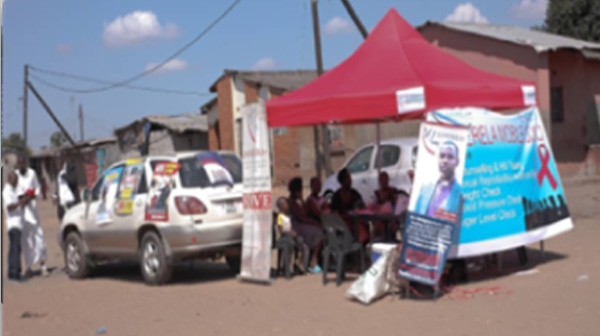
INERELA+ Secretariat received an emergency grant from Aidsfonds to address access to healthcare gaps created by the withdrawal of health sector PEPFAR-funded programmes in Zambia, Zimbabwe, South Africa, and Mozambique. The fund covered primary care that benefited vulnerable groups like women/girls, young people, children, LGBTQI, the disabled, the elderly and the underserved population, etc upon withdrawal of not only PERFAR but also USA-funded health sector programmes implemented by several civic organizations. The fund was provided to address among many challenges but not limited to the following:
- Bringing back key population individuals who had defaulted ART because of the withdrawal.
- Testing and counselling
- Health education and accompanied referrals to antiretroviral therapy centres for clients found to be HIV positive and critical patients.
- Closing the gap on long distances to collect medication by introducing mobile clinics
- Increasing treatment uptake and the referral system for critical cases.
- Routine checkups and early detection of illnesses.
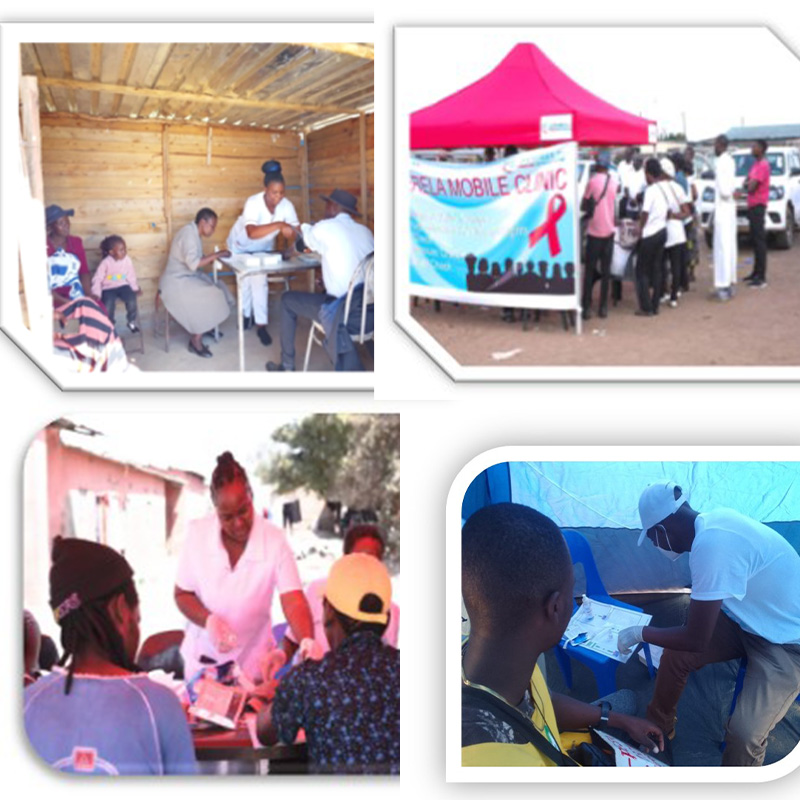
The Community Based Mobile approach was implemented over a period of two months. Beneficiaries were pleased and indicated that since it was conducted near their residence, the mobile service delivery was a convenient, vital and effective solution for improving healthcare access and outcomes in diverse settings. Clients also appreciated the money and time-saving aspect of the mobile clinic. They benefited from services such as HIV Testing and Counselling; public health education and sensitization on issues of health; weight checks and family planning; health check-ups (other morbidities such as blood pressure; sugar levels etc) and pregnancy tests. Health screening for STIs; onsite referrals to public hospitals, and clinics for critical cases, check-ups and medication. On closure, the project had made a significant impact having reached out to more than 8002 people; and reduced distance to medical centres as mobile clinics brought healthcare services directly to their communities; increased HIV Testing; and reduced bureaucratic procedures by offering streamlined services. The mobile clinics also minimized the administrative barriers often encountered in government hospitals, improved access to services for vulnerable groups.
The mobile clinics prioritized inclusivity, ensuring that youths and persons with disabilities received tailored support, holistic health services beyond HIV testing. The clinics provided a range of health services, including STI screening, family planning, and general medical care.
Success Story
INERELA+ finds pleasure in sharing a success story from INERELA+ Zambia (ZANERELA+) where Chanda’s due to mobile clinics exhibited a journey from Fear to Hope. Chanda, a married woman, 29 years of age lives in the heart of Chipata Compound Lusaka’s Province most densely populated communities. Unknown to her, before the mobile clinics, Chanda’s husband had tested HIV positive but chose not to disclose his status. As days passed, her health began to decline. She became increasingly weak, frequently ill, and filled with unease. Deep inside, she sensed something was wrong. But the fear of stigma, discrimination, and public judgment made her hesitant to seek help.
In her own words, Chanda narrated, “I was scared. I didn’t want anyone to see me going for HIV testing. I didn’t want to be judged or stigmatized if people found out I was HIV. positive” Then, one afternoon, a neighbour brought to Chanda unexpected news, a mobile clinic, supported by ZANERELA+ had been stationed just meters from her home. It was Discreet, Accessible, and Safe. Torn between fear and courage, Chanda made the brave decision to approach the mobile clinic. There, she encountered ZANERELA+ Champion Counsellor Derrick Sinyiza, who was trained not only in HIV testing but also in compassionate counselling and psychosocial support. Derrick listened, reassured, and treated Chanda with the dignity she deserved. With great hesitation, Chanda agreed to get tested. Her result came back positive. She was devastated. At that moment, she couldn’t see a future. She quietly returned home unwilling to accept the diagnosis and unable to begin treatment. But Derrick didn’t walk away. For days, he stayed in touch, checking on Chanda and offering encouragement.
In time, her fear gave way to trust. She agreed to be linked to care. She was personally escorted to a health facility, where she began antiretroviral treatment. Chanda was also several weeks pregnant, making her decision even more critical and lifesaving. Weeks later, during another ZANERELA+ Mobile clinic outreach in a neighbouring community, a familiar face approached the team. It was Chanda, this time with a bright smile and a renewed spirit “Nabwera kunena zikomo. Ndikuthokoza kwambiri. ZANERELA+, mwandipatsa mwayi wachiwiri”, meaning, I came to say thank you. Thank you, ZANERELA+, for giving me a second chance. Today, thanks to your support, Chanda is healthy, thriving, and empowered. She remains enrolled in care and actively shares her experience to uplift other women facing similar challenges. Chanda’s story is not just about survival it is about transformation. It is a powerful reminder that when services are brought closer to the people through trusted community-led initiatives, barriers like stigma, fear, and inaccessibility begin to fall away.