
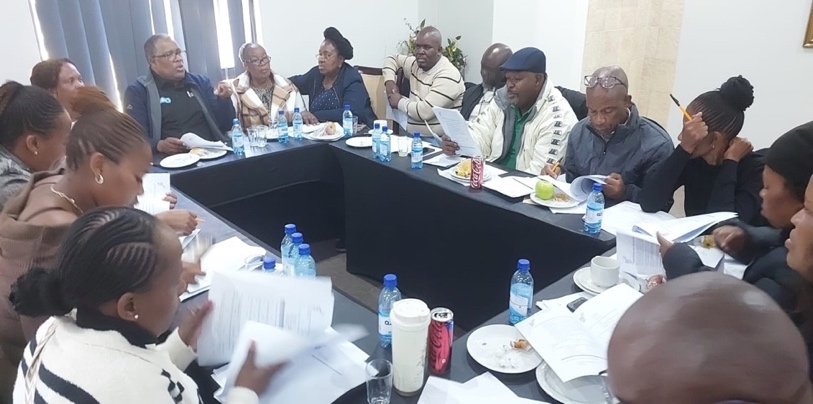
SANERELA+ caucus meeting of 15 participants to monitor health facilities across seven districts, Johannesburg 11- 14 May 2026
In May 2026, the GC7 HIV Community-Led Monitoring project marked a significant milestone in advancing community-led monitoring across multiple provinces in South Africa. Despite challenges with facility access and logistical delays, Community Monitors demonstrated resilience and commitment, ensuring that the voices of people living with HIV (PLHIV) were heard and documented.
Through coordinated efforts by SANERELA+, Centre for Communication Impact (CCI), and sector partners, monitors began facility introductions and surveys, collecting vital data that highlighted both strengths and gaps in service delivery. In the Free State, Monitor Moqebelo Khumalo successfully conducted 22 surveys at Ikaneng Clinic, identifying patient card loss and staff behaviour concerns which need to inform advocacy priorities. In Mpumalanga, Monitor Thandi Maluka gathered 46 surveys at Legogote Clinic, noting issues with facility cleanliness and critical sanitation issues such as pit toilets without doors or toilet paper. In the Eastern Cape, monitors like Rev. Mzoxolo Boyana and Anelisa Skenjana conducted surveys outside clinics when the signing of MOUs delayed access to facilities. They captured community concerns about staff shortages and long waiting times at healthcare facilities.
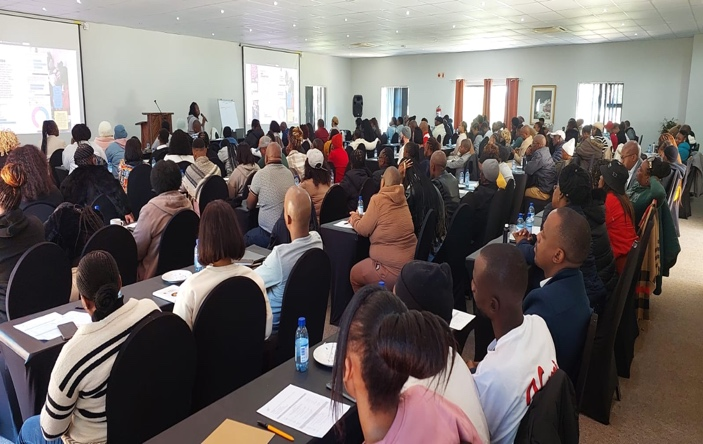
National Induction Workshop on HIV CLM, TB CLM, LGBTQI CLM, and Persons with Disabilities Johannesburg 11-14 May 2026
The project also strengthened coordination mechanisms. A WhatsApp group was established to streamline communication among monitors, branded materials were prepared for distribution, and CCI provided targeted capacity-building workshops to refine survey tools and reinforce ethical practices. Importantly, advocacy through the PLHIV Sector ensured that host organisations would be explicitly named in future MOUs, preventing further facility access denials.
By the end of May 2026, monitors had not only begun data collection from health facilities, but also engaged stakeholders
Title of This Picture, Place and Date
such as the Human Rights Commission, AIDS Councils, and civil society organisations, laying the groundwork for systemic improvements. Their persistence demonstrated that community-led monitoring is more than data; it is a powerful tool for accountability, transparency, and advancing the rights of PLHIV.
This success story reflects how, even in the face of logistical and administrative hurdles, the HIV Community Led Monitoring project is building momentum, empowering communities to lead, and ensuring that health systems remain responsive to the needs of those they serve.