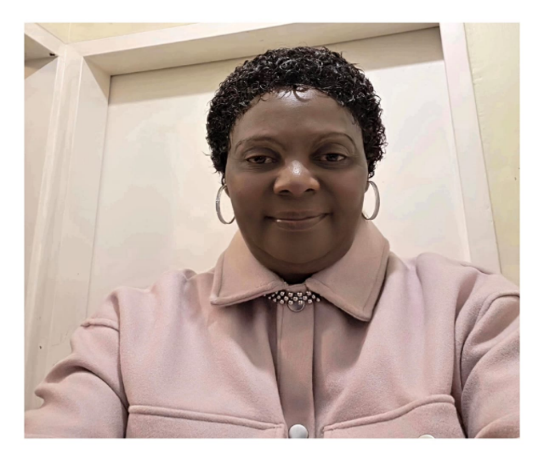
INERELA+ Executive Director – Munya Mandipaza
We are now seven months into the military escalation in the Gulf. What began as a regional conflict has increasingly become a driver of global instability. Trade through the Strait of Hormuz has collapsed. Energy markets have been upended; food prices have surged whilst supply chains are buckling. Families are struggling to put food on the table and vulnerable countries have been pushed to the edge. Extreme heat, floods and droughts have once
again dominated headlines, while pollution continues to affect ecosystems and communities around the world. Today’s findings show that extreme heat is not a future threat. Heat is claiming lives on a growing scale and unless we act to protect people and tackle the root cause of the crisis, it will become deadlier.
We express our concern about the rapid outbreak of Ebola outbreak in the Democratic Republic of the Congo (DRC), where transmission has spread across six provinces as of mid-August. The Democratic Republic of Congo (DRC) public health institute reported 4,945 confirmed cases and 2100 deaths. The current outbreak is caused by the Bundibugyo species of Ebola, which has no approved vaccines or treatments. The proportion of people dying from the outbreak after a confirmed infection, known as the case fatality ratio, has risen from about 20% in early June to 46%, according to government data, meaning nearly one in every two confirmed cases is now fatal. Delayed detection, conflict and strained health services have helped the virus spread more rapidly than in previous outbreaks.
In May, the World Health Organization declared the outbreak a public health emergency of international concern. Lessons from our HIV/AIDS, COVID-19 Programs and other infectious disease outbreaks have repeatedly demonstrated that diagnostics and vaccines alone are insufficient without trust, access, security and functioning health systems. Instead preparedness saves lives, protects economies and strengthens resilience. Our Religious leaders and faith-based networks are playing a vital role in curbing the crisis by actively teaching communities about Ebola symptoms, countering misinformation, enforcing safety guidelines in places of worship, and overseeing safe burial rites. They are fighting the stigma and discrimination directed at Ebola survivors, ensuring reintegration into their communities. Africa cannot afford to remain reactive. We must build sustainable systems capable of detecting, preventing and responding to public health threats before they become crises.
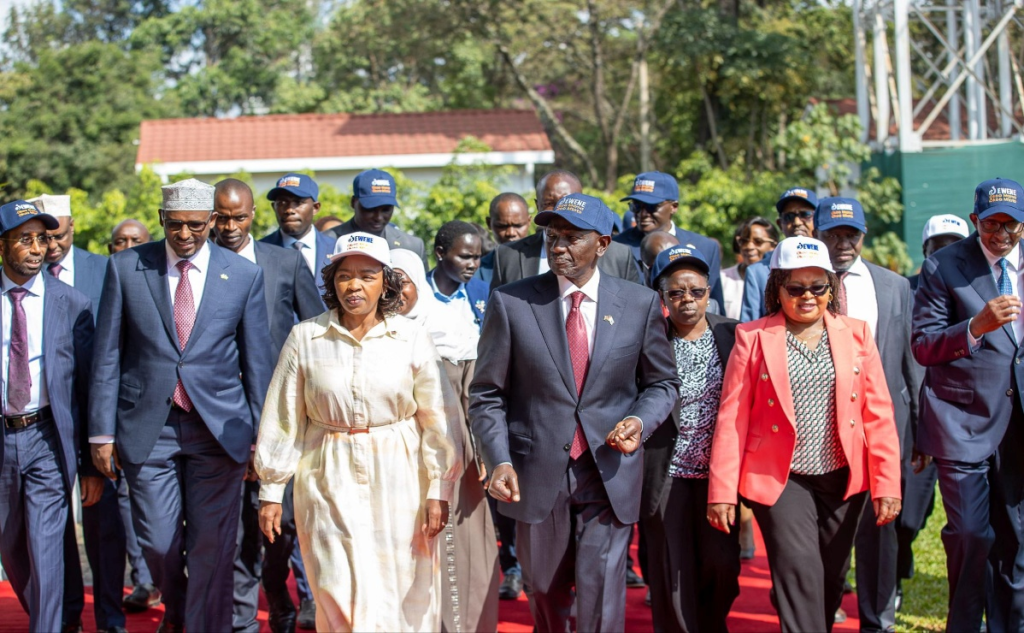
Kenya took a major step towards ending preventable maternal and newborn deaths with the launch of the Every Woman Every Newborn Everywhere (EWENE) Acceleration Plan 2026–2028, a nationally led initiative that combines high-level political leadership, domestic financing and strengthened accountability to accelerate progress for women and newborns. Unveiled by H.E. President William Samoei Ruto, the plan sets out a clear roadmap to accelerate reduction in preventable maternal and newborn deaths while expanding access to quality reproductive, maternal and child health services through targeted investments, stronger health systems, and a focus on the counties carrying the highest burden of preventable deaths. Importantly, the initiative is backed by substantial domestic investment. The Government of Kenya committed an additional KSh4 billion through the Social Health Authority to expand maternal healthcare coverage, ensuring that no woman is denied care because she cannot afford it.
The global health and development landscape continues to undergo profound change. More than a year after major reductions in official development assistance were announced, organizations working to advance women’s, children’s and adolescents’ health and well-being continue to face growing challenges, including funding constraints, geopolitical instability, shrinking civic space, misinformation, and increasing pushback against sexual and reproductive health and rights.
As declining resources force increasingly difficult choices, INERELA+ continues to explore how an equity lens can help ensure that limited investments reach women, children and adolescents who face the greatest barriers to health and the highest burden of preventable mortality. Equity for INERELA+ is not simply a moral imperative, but it is essential to making every investment count.
Thank you always for your continued partnership and support as we work together to build a safer, more resilient world.
Munya Mandipaza
INERELA+ Executive Director