

INERELA+ Zambia conducted a capacity building workshop for at least 55 Religious leaders in Chibombo District of Zambia’s Central Province, a rural area near Lusaka. This was done under the Aids Fonds Hands Off Project. The workshop, which was widely attended by partner organizations, law enforcement representatives, health and support services representatives, legal representatives, and NGOs working on human rights, was conducted in Mungule, which refers to a chiefdom within the Chibombo District of Zambia’s Central Province, a rural area near Lusaka known for its agricultural activities, including farming and livestock rearing. The chiefdom also serves as a local government and development area, with efforts underway to improve infrastructure like the Mungule-Katole Road to support farming and business.
The workshop was held in Mungule to strengthen the support system of Religious leaders, Traditional leaders, and government support officials to be able to account for the high number of cases of child marriages, violence against Key Populations, drug abuse, and teenage pregnancies. The key findings leading to the rise in cases emanate from poverty, lack of education, misinformation and inadequate SRHR information, unemployment, HIV/Aids prevalence, and high rates of school dropout and delayed education.
The training utilized a Religious Leader Training manual covering SRHR issues, Child early marriages, drug abuse, teenage pregnancy, among a variety of subjects. After being capacitated and enlightened in different areas of concern in the community, Religious leaders, together with Councilors, health care providers, traditional leaders, and teachers in attendance, wrote a petition on increased violent cases against key populations and drug abuse. The petition addressed to Mungule Member of Parliament was requesting on behalf of vulnerable adolescents, key populations, and ZANERELA+ access empowerment funds to establish a ZANERELA+ center (land has already been allocated), a safe space for key population survivors or victims of violence in Mungule and surrounding areas. 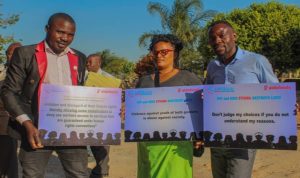 The workshop concluded by emphasizing recommendations by being clear about the complex nature of teenage pregnancies in Zambia and the necessity of multi-sectoral interventions that address education, economic factors, socio-cultural norms, and improved access to SRHR services and information. Community coordination among Religious Leaders, community leaders, educators, and health providers by promoting community led service engagements that will provide information on birth control education, increasing parent involvement with schools, improving collaboration among school departments with local community leaders, engaging trained educators, forming support groups, implementing Comprehensive Sexuality Education for the adolescents, and involving parent/teacher/ traditional leaders associations in moral education.