
The interactive multi-stakeholder hearing supported by the Joint United Nations Programme on HIV/AIDS (UNAIDS) was held on the 14th of May 2026 at the UN Headquarters in New York provided all relevant stakeholders with a platform to surface urgent priorities, identify gaps in the current HIV response, and inform negotiations of the political declaration with concrete, community-informed recommendations. The hearing aimed to support Member States with the preparatory process, including by informing the negotiations of the High-Level Meeting political declaration through an interactive dialogue with communities, civil society and other key stakeholders. The hearing aimed to demonstrate the strength, diversity and commitment of communities, civil society and other stakeholders in the response to the HIV/AIDS epidemic and to propose transformative actions that will make it possible to upend intersecting inequalities that are preventing progress to achieving zero new HIV infections, zero AIDS-related deaths and zero discrimination and ending AIDS as a public health threat by 2030.
More specifically:
- Panellists shared their views and reflections on the progress and challenges since the 2021 Political Declaration. They exchanged views on successes on the ground, best practices, lessons learned, obstacles, people and communities often left behind in the HIV response, gaps, challenges and opportunities, as identified by civil society organizations and other stakeholders working in the field.
- Panellists discussed their key priorities for the high-level meeting, while generating
shared understanding of epidemic priorities, opportunities and challenges of the changing political environment, including addressing entrenched inequalities, coinfections, and the intersection of HIV and other existing and new epidemics, affecting hardest the communities most at risk of HIV/AIDS, especially specific and more vulnerable groups within communities.
INERELA+ board member Gracia Violetta participated as a member of the Task Force that organised the hearings where people living with, at risk of and affected by HIV, key populations, representatives of Member States and observers of the General Assembly, parliamentarians, representatives of local governments, civil society organizations, non-governmental organizations in consultative status with the Economic and Social Council, philanthropic foundations, academia, medical associations, the private sector and broader communities shared their experiences as part of the preparatory process for the UN High-level meeting on HIV AIDS.
The high-level meeting will take place at a moment of significant disruption in the global HIV response, including shifting donor priorities, evolving global health architecture, and policy changes that risk reversing gains.
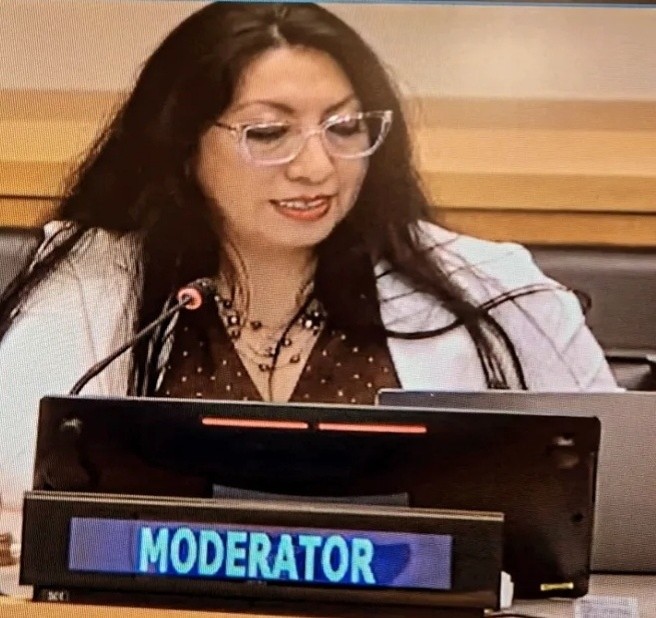
Gracia Violetta the INERELA+ board member moderated Panel 4 on: Community Leadership, Accountability and Inclusive Governance in a Changing HIV Response in the context of reduced funding and increased reliance on community systems to sustain the response.
This panel highlighted the role of communities in shaping and delivering the HIV response, particularly in the context of transition to more country-owned responses. It identified what “country ownership” entails and explored how to strengthen and institutionalize community leadership across service delivery, decision-making and accountability, including through enabling policy, governance structure, capacity, financing, and sustainable support systems. The discussion also examined the role of community-led organizations, especially community-led data and monitoring in strengthening accountability and advancing human rights, gender equality, and structural equity in HIV response.