There is a rapid increase in HIV infection rates reported in Madagascar post-COVID-19, according to official information from (Secretariat Exécutif / Comité National de Lutte contre le VIH/Sida) is the Executive Secretariat / National Committee for the Fight against HIV/AIDS (SECNLS). In 2023, figures indicate that 19,000 people were diagnosed as HIV-positive, with more than 6,000 new infections in 2024. The data also reveals that 38% of new cases involve young people aged 15 to 24, and 70% are women. According to the Spectrum model estimates, the total number of people living with HIV was 70,000 in 2023, 74,000 in 2024, with a forecast of 90,000 in 2025, indicating an increase in HIV infection rates on the island.
The Capacity Building of Religious Leaders on the SAVE toolkit by INERELA+ Madagascar, conducted in May, June, and July 2025 in Antananarivo, was part of a consolidated effort to fight the rise of new infections on the Island. It was aimed at developing the capacity of Religious leaders through promoting the SAVE prevention method (Safer practices; Access to treatment, not just Antiretroviral treatment but the need for VCT in order to promote regular testing ; Empowerment through education and advocacy). The capacity building of Religious Leaders workshop took place in three stages: 1st: Advocacy among religious leaders to join the fight against HIV infection through INERELA+ Madagascar; 2nd: Attendance at the SAVE training workshop; and 3rd: A survey justifying the use of SAVE tools by religious leaders. From May to June, the INERELA+ Madagascar team contacted 30 religious leaders in their communities and churches, raising awareness on the reality of HIV infection among young people and sensitizing them about their role in fighting the scourge of HIV. Religious leaders were made aware of the rising rates of HIV infection and reinfection, and stigmatization in their communities and places of worship. The advocacy stage ended by inviting the Religious leaders to participate in an intensive training session focused on the SAVE prevention method in Antananarivo.
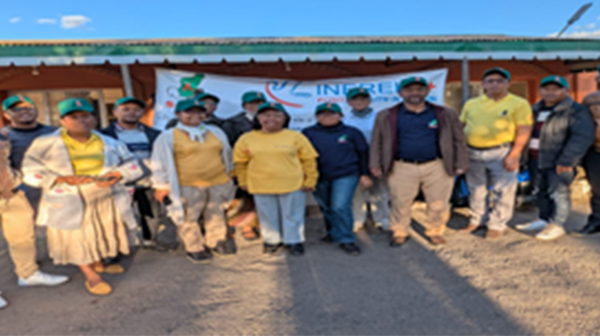
One of the highlights of this workshop was the collective and harmonious mobilization of different religious denominations.
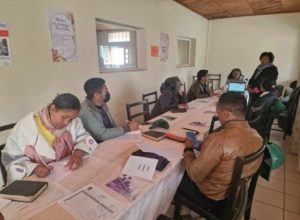
Religious leaders, community leaders, and committed believers actively participated in the discussions, each contributing their perspectives, practices, and experiences. At the workshop, several institutions were represented towards the same cause, such as: FJKM (Fiangonan’i Jesoa Kristy eto Madagasikara); Anglican Church of Madagascar; METM (Misiona Evanjelika Teratany eto Madagasikara); FMTA (La FMTA or Fiangonana Malagasy Tranozoro Antranobiriky in Ambatonakanga). This diversity of personality, approaches, and theological sensibilities displayed mutual enrichment and made it possible to build a common basis for action without denying the specificities of each Church. Different churches contributed to the facilitation of certain parts of the workshop through sharing of pastoral experiences on the themes of HIV, listening, sexuality education, and human dignity; reflections on the specific challenges encountered in local communities (stigmatisation, silence, lack of information, traditional practices, etc.). A climate of respect, listening, and cooperation marked every moment of the workshop, confirming that a collective and interfaith response is possible to address public health challenges along Christian ethics. The workshop concluded with the development of a joint action plan based on the pillars of the SAVE approach, enriched with appropriate biblical and community elements.